


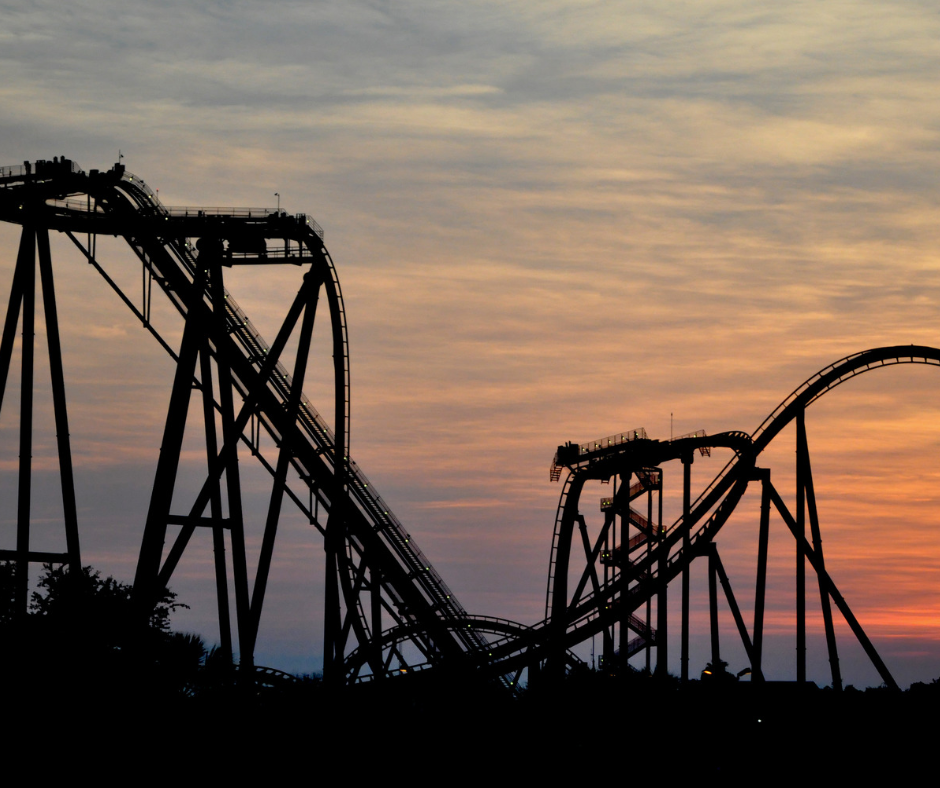
A day at an amusement park should deliver thrill and excitement, not catastrophic life-altering medical trauma. The X2 roller coaster at Six Flags Magic Mountain in Valencia, California—famous for its “4D” design featuring 360-degree independently rotating seats—has become the focus of legal scrutiny following personal injury lawsuits alleging riders suffered severe neurological damage.
If you or a loved one experienced persistent headaches, memory issues, nausea, or neurological impairment after riding X2, holding a corporate operator like Six Flags accountable under California personal injury law is entirely possible.
What Are the X2 Roller Coaster Lawsuits About?
Quick Summary:
Lawsuits filed against Six Flags Magic Mountain over the X2 roller coaster allege that extreme multi-axis rotational forces and intense seat whipping cause traumatic brain injuries (TBIs), subdural hematomas, and severe cervical spine trauma. Plaintiffs claim that ride design defects and dynamic stress limits pose unreasonable hazards to riders, giving rise to product liability and common carrier negligence claims under California law.
Multiple injured riders have taken legal action against Six Flags, alleging that the violent, multi-directional motion of X2 inflicts extreme biomechanical stress on the human head and neck.
Unlike standard thrill rides that lock passengers into fixed directional paths, X2 continuously spins riders forward and backward on a secondary axis while reaching speeds of up to 76 mph.
How Roller Coasters Cause Traumatic Brain Injuries (TBI) Without a Direct Impact
A common misconception is that a traumatic brain injury requires a visible blow or direct collision to the skull. On high-G thrill rides like X2, neurological damage frequently occurs through non-impact biomechanical forces:
-
Coup-Contrecoup Mechanics: Rapid acceleration and sudden rotational drops force the brain to slam violently against the inner walls of the skull.
-
Rotational Shear Forces: Independent 360-degree seat movement creates torsional stress, micro-tearing delicate nerve fibers (Diffuse Axonal Injury).
-
Subdural Bleeding: Violent head whipping strains blood vessels surrounding the brain, causing slow blood accumulation (subdural hematoma) that manifests days after leaving the park.
Legal Theories: How California Law Holds Theme Parks Accountable
Theme park operators maintain a legal duty to protect riders from non-obvious, unreasonable dangers. Victims filing an amusement park injury lawsuit in California generally rely on three primary legal grounds:
1. California Common Carrier Liability (Civil Code § 2100)
Under California Civil Code § 2100, operators of amusement park rides are legally classified as common carriers. This imposes the highest standard of care recognized under state law:
“A carrier of persons for reward must use the utmost care and diligence for their safe carriage, must provide everything necessary for that purpose, and must exercise to that end a reasonable degree of skill.”
Because common carriers are held to a higher standard than ordinary commercial property owners, proving that a ride exposed passengers to dynamic neurological hazards provides a strong foundation for liability.
2. Product Liability & Ride Design Defects
If a roller coaster’s rotational system or dampening mechanics generate violent forces beyond what the human body can safely withstand, liability extends to both the park and ride manufacturers (such as S&S Worldwide for 4D co-designs). Manufacturers can be held strictly liable for design defects when a product creates foreseeable safety risks even during normal operation.
3. Operational and Maintenance Negligence
Theme parks must conduct routine structural inspections and maintain mechanical dampening equipment. If Six Flags failed to properly maintain seat dampening shocks, sensor calibration, or track alignment—allowing excessive dynamic vibration—they may be held liable for operational negligence.
Does the Fine Print on Your Theme Park Ticket Prevent You From Suing?
Quick Summary:
No. Ticket disclaimers and park entrance waivers do not grant amusement parks absolute immunity from lawsuits in California. Under California Civil Code § 2175, common carriers cannot contractually waive liability for gross negligence or reckless misconduct. Hidden design hazards and un-warned neurological risks fall outside standard liability waivers.
Parks frequently place fine-print liability waivers on admission tickets, season passes, and entrance signs. However, California law heavily restricts these releases:
-
Waivers Cannot Exclude Gross Negligence: Parks cannot contract away accountability for failing to address known ride hazards or mechanical defects.
-
Assumption of Risk Limits: Riders assume only the inherent, obvious risks of a roller coaster (such as normal butterflies or brief strain). They do not legally assume the risk of suffering internal brain micro-tearing or brain bleeds due to unsafe dynamic forces.
What to Do Immediately After Suffering an Amusement Park Injury
Taking structured steps immediately following an incident safeguards both your health and your legal claim:
-
Obtain an Immediate Neurological Assessment: Visit an emergency room or a specialized neurologist right away. Prompt diagnostic imaging (CT scans or MRIs) establishes a medical timeline connecting the ride to your injury.
-
Document the Incident Details: Save ticket confirmation emails, wearable health metrics (such as Apple Watch heart rate/acceleration logs), and photos/videos taken at the park.
-
Avoid Statements to Park Insurance Adjusters: Insurance representatives act in the financial interest of the park operator. Refrain from giving recorded interviews or signing settlement releases without legal counsel.
-
Preserve Your Claim Rights: Engage a dedicated California personal injury law firm with experience in complex catastrophic and TBI litigation.
Frequently Asked Questions (FAQs)
Can you suffer a brain injury on a roller coaster without hitting your head?
Yes. Violent rotational acceleration and rapid G-force changes cause the brain to shift inside the skull without requiring direct physical contact with a restraint or headrest. These forces cause concussion, tearing of brain tissue, and subdural bleeding.
What if my TBI symptoms didn’t appear until days after riding X2?
Delayed symptom onset is standard with brain injuries like subdural hematomas and micro-vascular tearing. Swelling and micro-bleeding often take 24 to 72 hours to produce noticeable symptoms like severe migraines, nausea, visual disturbances, or cognitive fogginess. A delayed diagnosis does not invalidate your legal claim.
What is the statute of limitations for filing an amusement park injury lawsuit in California?
Under California Code of Civil Procedure § 335.1, the statute of limitations for personal injury claims is two (2) years from the date of the injury. For minors injured at a park, the two-year period typically starts on their 18th birthday. Because park maintenance records and inspection reports can be routine-cleared over time, immediate legal consultation is critical.
What compensation can be recovered in a Six Flags injury lawsuit?
Victims of severe thrill ride trauma can pursue compensation for:
-
Past and future medical treatment (neurology, physical therapy, cognitive rehabilitation)
-
Lost income and long-term loss of earning capacity
-
Physical pain, suffering, and emotional distress
-
Short-term or permanent disability care needs
How Kash Legal Fights for Victims of Amusement Park Injuries
Navigating claims against large corporations like Six Flags requires specialized legal resources, biomechanical engineering experts, and experienced trial attorneys. At Kash Legal, we fight to secure maximum compensation for individuals who have suffered catastrophic injuries or traumatic brain damage due to unsafe amusement park operations.
If you or a family member suffered a concussion, spinal injury, or brain trauma after riding the X2 roller coaster at Six Flags Magic Mountain or another attraction, our legal team is ready to evaluate your claim at zero out-of-pocket cost.
📞 Contact Kash Legal Today for a Free, Confidential Case Consultation. Protect your health, secure your rights, and let us take on the insurance companies for you.
For further background, review news reporting on the lawsuits filed alleging brain injuries from the X2 rollercoaster detailing claims brought by affected riders.