


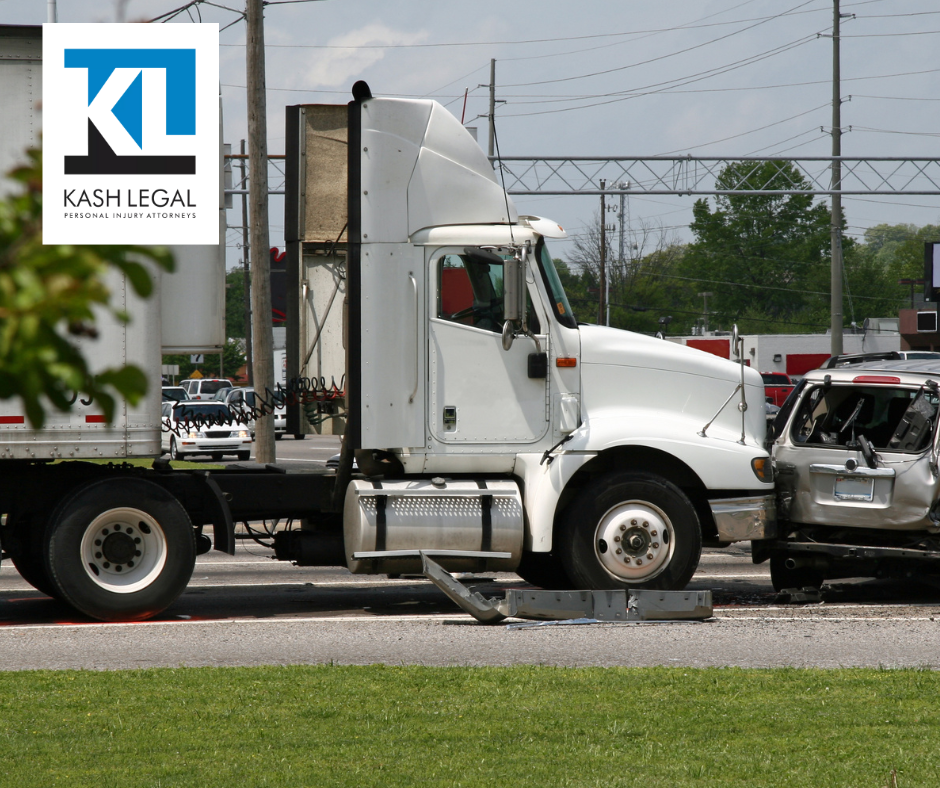
When a commercial semi truck rear-ends your vehicle, the resulting injuries and damages can be catastrophic. Unlike typical car accidents, semi truck collisions involve complex liability chains, substantial insurance policies, and often life-altering injuries. Understanding the factors that determine your semi truck rear-end crash compensation is essential to securing a fair settlement. This article examines the ten critical elements that influence rear-end truck accident settlements, from injury severity and medical costs to emerging legal trends like nuclear verdicts. Whether you’re navigating California’s legal landscape or simply seeking clarity on what your claim might be worth, these factors will help you understand how compensation is calculated and why experienced legal representation matters.
Kash Legal Group: Advocating for Maximum Compensation
At Kash Legal Group, we understand that being rear-ended by a semi truck can upend your life in an instant. Our firm is built on a foundation of compassionate, client-centered advocacy, and we specialize in helping California victims of commercial vehicle accidents recover the full compensation they deserve. Under the leadership of founder Jonathan M. Kashani, our team combines deep knowledge of California truck accident law with aggressive negotiation tactics designed to counter the strategies of commercial insurers and their legal teams.
We operate on a “No Fees Unless We Win” contingency fee basis, meaning you pay nothing upfront and only owe us if we secure compensation on your behalf. This model ensures that everyone—regardless of financial circumstances—can access top-tier legal representation. Early consultation is critical in truck accident cases. The sooner you contact us, the sooner we can preserve evidence, identify liable parties, and begin building a compelling case to level the playing field against well-funded trucking companies and their insurers.
1. Severity of Injuries and Impact on Compensation
Injury severity is the single most influential factor in determining compensation after a rear-end semi crash. The force generated when a fully loaded semi truck strikes a passenger vehicle can cause injuries ranging from whiplash to traumatic brain injuries, spinal cord damage, and even death. Settlements are typically categorized by injury severity, with more severe injuries commanding significantly higher payouts.
Research-backed compensation ranges include:
| Injury Category | Typical Settlement Range |
|---|---|
| Minor injuries (soft tissue, minor fractures) | $5,000–$20,000 |
| Moderate injuries (significant fractures, disc injuries) | $100,000–$500,000 |
| Severe injuries (multiple fractures, organ damage) | $500,000–$2 million+ |
| Catastrophic injuries (spinal cord, brain trauma, wrongful death) | $1 million–$5 million+ |
Catastrophic injuries—those that result in permanent disability, paralysis, or loss of life—represent the upper end of this spectrum. These cases often involve extensive medical intervention, long-term care needs, and profound impacts on quality of life. According to research on California rear-end accident settlements, the severity of injuries largely determines the settlement amount, as it directly correlates with medical expenses, lost earning capacity, and non-economic damages like pain and suffering.
2. Medical Expenses and Future Healthcare Costs
Medical expenses form the foundation of economic damages in any truck accident claim. These costs encompass every aspect of care related to your injuries, from the moment emergency responders arrive at the scene through years of ongoing treatment and rehabilitation. Comprehensive documentation of all medical care is critical for maximizing compensation.
Claimable medical expenses include:
- Emergency room treatment and ambulance transport
- Hospital stays and surgical procedures
- Specialist consultations and diagnostic imaging
- Physical therapy and rehabilitation services
- Prescription medications and medical equipment
- Home health care and assisted living costs
Settlement value increases substantially with the cost and duration of treatment. As noted in settlement value analyses, medical costs largely determine rear-end collision settlement amounts because they provide concrete, documentable proof of the accident’s impact. For severe injuries, calculating anticipated future medical needs becomes essential. Life care plans prepared by medical experts project the cost of ongoing treatment, surgeries, medications, and assistive devices over a victim’s lifetime, ensuring that settlements account for long-term care requirements.
3. Lost Wages and Loss of Earning Capacity
When injuries prevent you from working, compensation must address both immediate income loss and long-term financial impacts. Lost wages refer to income lost due to work absences during recovery, while loss of earning capacity represents the projected reduction in future earnings caused by lasting disabilities or limitations.
Lost wages become a critical factor in calculating compensation, covering both current and future lost income. If your injuries require extended recovery time, prevent you from returning to your previous occupation, or force you into lower-paying work, these losses must be factored into your settlement. Examples include:
- Paychecks missed during hospitalization and recovery
- Lost bonuses, commissions, and overtime opportunities
- Missed promotions or career advancement
- Forced career changes to less physically demanding work
- Early retirement due to permanent disability
For self-employed individuals or those with variable income, establishing lost wages requires careful documentation of earnings history and expert testimony about future earning potential. The more severe and permanent your injuries, the more significant this component of your compensation becomes.
4. Vehicle Damage and Property Loss
Property damage may seem straightforward, but it encompasses more than just repair bills. When a semi truck rear-ends your vehicle, the damage often extends beyond visible dents and broken glass. Comprehensive property damage claims account for repair or replacement costs, diminished value, and related expenses.
Property losses include:
- Direct repair costs or total loss replacement value
- Diminished resale value—the reduction in your car’s market value even after professional repairs
- Rental car or alternate transportation costs during repairs
- Personal property damaged in the crash (electronics, clothing, equipment)
Hidden damage presents a particular concern in rear-end collisions. Frame damage, drivetrain issues, and exhaust system problems can surface weeks or months after initial repairs, potentially compromising vehicle safety and value. Thorough post-accident inspections by qualified mechanics help identify these hidden issues before settling property damage claims. California law recognizes diminished value claims, allowing you to recover the difference between your vehicle’s pre-accident value and its reduced worth after repairs.
5. Insurance Policy Limits and Coverage Caps
Insurance policy limits represent the maximum amount available under the at-fault party’s commercial vehicle insurance. Federal law requires commercial trucks to carry minimum liability coverage ranging from $750,000 to $5 million depending on cargo type and weight, but actual policy limits vary widely. These limits can effectively cap recoverable damages unless additional sources of compensation are identified.
When your losses exceed available insurance coverage, several options exist. You may pursue direct claims against the trucking company’s assets, identify additional liable parties with separate insurance policies, or tap into your own underinsured motorist coverage. An experienced attorney plays a crucial role in identifying all available insurance policies and coverage sources.
Steps for addressing insurance limitations include:
- Thoroughly investigating all potentially liable parties
- Identifying umbrella policies and excess coverage
- Pursuing corporate liability claims against trucking companies
- Exploring underinsured motorist coverage options
- Documenting damages that exceed policy limits
Commercial trucking companies often carry substantial insurance, but policy limits can still be insufficient in catastrophic injury cases. Your attorney should investigate whether the trucking company, leasing company, cargo owner, or other parties bear liability, as each may carry separate insurance policies that expand available compensation.
6. Determining Liability and Comparative Fault
Fault determination directly impacts compensation outcomes in rear-end truck accidents. While the rear driver is typically presumed at fault in rear-end collisions, semi truck cases involve complex liability analysis. Multiple parties may share responsibility, including the truck driver, trucking company, maintenance providers, and cargo loaders.
California follows a pure comparative negligence rule, meaning compensation is reduced in proportion to your percentage of fault. If you’re found 20% responsible for the accident, your compensation decreases by 20%. This makes thorough accident investigation and evidence preservation critical.
The liability determination process involves:
- Comprehensive accident scene investigation and documentation
- Analysis of truck driver logs, black box data, and maintenance records
- Accident reconstruction to establish the sequence of events
- Review of federal and state trucking regulations compliance
- Witness interviews and expert testimony
Clear liability typically results in higher settlements because it reduces the insurance company’s ability to argue shared fault. According to settlement analyses, if comparative fault laws apply, they can significantly reduce the settlement amount. Your attorney must build a compelling case demonstrating the truck driver’s or trucking company’s negligence while defending against allegations of contributory fault.
7. Non-Economic Damages: Pain, Suffering, and Emotional Distress
Non-economic damages provide compensation for subjective, quality-of-life losses that extend beyond bills and paychecks. These damages recognize that serious injuries impact every aspect of your life, from physical comfort to emotional well-being and relationships. In severe injury cases, non-economic damages often represent a substantial portion of total compensation.
Non-economic damages compensate for experiences like pain, suffering, loss of enjoyment of life, and emotional anguish. Unlike medical bills with specific dollar amounts, these damages require persuasive presentation of how injuries have diminished your quality of life.
Examples of non-economic losses include:
- Chronic pain and physical discomfort
- Depression, anxiety, and post-traumatic stress disorder
- Loss of enjoyment of hobbies and activities
- Strain on family relationships and social connections
- Disfigurement and scarring
- Loss of consortium for spouses
Documenting non-economic damages requires maintaining detailed journals, securing testimony from family and friends, and working with mental health professionals. California does not cap non-economic damages in most personal injury cases, allowing juries to award compensation proportionate to the severity of suffering. Your attorney’s ability to humanize your experience and convey the full impact of your injuries significantly influences this component of your settlement.
8. The Role and Benefits of Legal Representation
Hiring a specialized semi truck accident attorney dramatically increases your chances of maximizing compensation. Trucking companies and their insurers employ experienced legal teams and aggressive tactics to minimize payouts. Without equally skilled representation, you’re at a severe disadvantage.
Experienced legal counsel maximizes compensation by building comprehensive evidence, managing complex negotiations, and countering insurance company strategies. Attorney expertise becomes especially critical when facing commercial carriers with deep resources and sophisticated legal defenses. Your lawyer investigates all liable parties, preserves crucial evidence like black box data before it’s destroyed, calculates the full value of your damages including future losses, and negotiates from a position of strength.
At Kash Legal Group, our contingency fee arrangement means you pay nothing unless we win your case. This “No Fees Unless We Win” model eliminates financial barriers to quality representation and aligns our interests with yours—we only succeed when you do. We handle every aspect of your semi truck accident claim, from initial investigation through trial if necessary, allowing you to focus on recovery while we fight for maximum compensation.
9. State Laws and Their Effect on Settlement Outcomes
California-specific laws significantly shape truck accident case outcomes. The state’s statute of limitations generally provides two years from the accident date to file personal injury claims, though exceptions exist for cases involving government entities or delayed injury discovery. Missing this deadline typically bars you from recovering any compensation, making prompt legal consultation essential.
California’s pure comparative negligence rule allows recovery even if you’re partially at fault, though your compensation is reduced proportionally. The state also does not cap non-economic damages in most personal injury cases, unlike some states that limit pain and suffering awards. This creates a more favorable environment for victims of serious injuries.
Additional California-specific considerations include:
- Strict regulations governing commercial trucking operations
- Requirements for commercial vehicle insurance coverage
- Venue selection impacting jury composition and verdict trends
- Local court procedures and case management practices
Jurisdiction matters significantly in truck accident cases. Urban venues like Los Angeles or San Francisco may yield different jury verdicts than rural counties. Your attorney’s familiarity with local courts, judges, and jury tendencies provides strategic advantages in case preparation and settlement negotiations.
10. Emerging Trends in Truck Accident Settlements and Nuclear Verdicts
The landscape of truck accident settlements has shifted dramatically in recent years, with juries increasingly willing to hold trucking companies accountable through massive verdicts. “Nuclear verdicts”—jury awards of $10 million or more—have become increasingly common in trucking cases, fundamentally changing settlement dynamics.
Nuclear verdicts in truck cases rose 967% from 2010 to 2018, with average settlements soaring from $2.3 million to $22.3 million. This dramatic increase reflects growing public awareness of trucking industry safety failures, including driver fatigue, inadequate training, and pressure to meet unrealistic delivery schedules at the expense of safety.
This trend benefits injury victims in several ways. Insurance companies face increased pressure to settle cases for higher amounts rather than risk massive jury verdicts. Trucking companies have greater incentive to maintain proper safety protocols and adequate insurance coverage. Attorneys can leverage the threat of nuclear verdicts in settlement negotiations, and victims of catastrophic injuries receive compensation more proportionate to their actual losses.
However, nuclear verdicts also complicate case timelines. Insurance companies may dig in harder during initial negotiations, requiring more extensive litigation. Cases may take longer to resolve as both sides assess trial risks. Your attorney must balance the potential for a large verdict against the time and uncertainty of trial, always keeping your best interests at the forefront of strategy decisions.
Client Testimonials
⭐⭐⭐⭐⭐
“I was in a rear-end accident with a semi-truck, and I didn’t know where to start. Kash Legal guided me through every step and made sure I received full compensation for my injuries and damages. Their team was professional, responsive, and truly cared about my case. I highly recommend them!”
— Michael R., Los Angeles, CA
⭐⭐⭐⭐⭐
“After my semi-truck accident, I was overwhelmed by medical bills and lost wages. Kash Legal took over my case and fought tirelessly on my behalf. They secured a settlement that exceeded my expectations. The entire process was smooth, and I felt supported every step of the way.”
— Jennifer L., San Diego, CA
⭐⭐⭐⭐⭐
“I can’t thank Kash Legal enough for their help with my rear-end collision involving a big rig. From the first consultation to the final settlement, they were compassionate, knowledgeable, and highly professional. They truly care about their clients and deliver results.”
— Carlos M., Fresno, CA
⭐⭐⭐⭐⭐
“Kash Legal handled my semi-truck crash case with expertise and dedication. They explained all my options clearly and ensured I got the compensation I deserved for my injuries and property damage. I felt valued and heard throughout the entire process. Excellent law firm!”
— Stephanie H., Bakersfield, CA
⭐⭐⭐⭐⭐
“After being rear-ended by a semi-truck, I was stressed and unsure how to proceed. Kash Legal stepped in and made everything straightforward. They were always available for questions, fought hard for my case, and helped me get a fair settlement. Highly recommend their services to anyone in a truck accident!”
— David T., Riverside, CA
Frequently Asked Questions
What factors most influence compensation after a rear-end semi crash?
Injury severity, medical expenses, lost wages, property damage, insurance policy limits, fault determination, and non-economic damages like pain and suffering are the primary factors determining compensation.
Can I recover compensation if I was partially at fault for the accident?
Yes. Under California’s pure comparative negligence rule, you can still recover damages even if you’re partially at fault, but your compensation is reduced proportionally to your percentage of responsibility.
What types of damages can I recover in a semi truck rear-end accident claim?
You can recover economic damages including medical bills, lost wages, and property damage, plus non-economic damages such as pain, suffering, emotional distress, and loss of enjoyment of life.
How do insurance policy limits affect my potential settlement?
Federal law requires commercial trucks to carry $750,000 to $5 million in liability coverage depending on cargo type, but when losses exceed policy limits, your attorney may identify additional liable parties with separate insurance or pursue claims against company assets.
How long does it typically take to settle a semi truck accident case?
Most cases resolve within several months to over a year, though complex claims involving serious injuries, disputed fault, or multiple parties can take significantly longer, especially if trial becomes necessary.
What is the deadline to file a claim after a rear-end semi truck crash?
California’s statute of limitations generally provides two years from the accident date to file personal injury claims, though exceptions exist for government entity cases or delayed injury discovery.
Why does hiring an attorney increase my settlement?
Experienced attorneys maximize compensation by building comprehensive evidence, preserving crucial data like black box records, calculating full damages including future losses, and countering aggressive insurance company tactics with skilled negotiation.
How do nuclear verdicts affect truck accident settlements?
Nuclear verdicts—jury awards of $10 million or more—have increased dramatically, rising 967% from 2010 to 2018, creating greater pressure on insurance companies to settle cases for higher amounts rather than risk massive jury verdicts.
About Us – Kash Legal
Kash Legal is a trusted California personal injury law firm known for delivering strong, client-focused advocacy to individuals and families harmed in accidents. With a reputation built on integrity, responsiveness, and consistent results, the firm handles a wide range of complex injury cases—from rideshare and motor-vehicle collisions to catastrophic injuries and wrongful death claims. As a BBB Accredited business, Kash Legal upholds high standards of professionalism and ethical service, giving clients confidence that their cases are handled with transparency and care. The firm’s commitment to personalized guidance and relentless negotiation has made it a respected resource for injury victims seeking justice and fair compensation.
Our office locations in California:
- Los Angeles (Beverly Hills): 2839 S. Robertson Blvd. Los Angeles CA 90034
- San Diego: 8775 Aero Dr Suite 138, San Diego, CA 92123 | (619) 650-5845
- Chula Vista: 750 Otay Lakes Rd, Chula Vista, CA 91910 | (619) 378-9288
- Reseda: 18355 Sherman Way, Reseda, CA 91335 | (747) 298-5611
- Murrieta: 25185 Madison Ave, Murrieta, CA 92562 | (951) 651-0774
- Temecula: 27555 Ynez Rd, Temecula, CA 92591 | (951) 484-1550
- Victorville: 14393 Park Ave, Victorville, CA 92392 | (760) 454-1654
- Hesperia: 17096 Sequoia St., Hesperia CA 92345 | (760) 919-4264
- Bakersfield: 2020 Eye St, Bakersfield, CA 93301 | (661) 460-2500
- Palm Desert: 74333 CA-111, Suite 205, Palm Desert, CA 92260 | (760) 529-8181
- Fresno: 4270 N Blackstone Ave Suite 201, Fresno, CA 93726 | (559) 551-2688
- Sacramento: 3626 Fair Oaks Blvd, Sacramento, CA 95864 | (916) 892-1263
- Roseville: 2999 Douglas Blvd Suite #180H, Roseville, CA 95661 | (916) 252-1165
- Oakland: 1300 Clay St, Oakland, CA 94612 | (510) 800-8293
- Pleasant Hill: 3478 Buskirk Ave suite 1054, Pleasant Hill, CA 94523 | (925) 940-9840
- Vacaville: 201 E Monte Vista Ave, Vacaville, CA 95688 | (707) 883-1555
- Fairfield: 1545 N Texas St, Fairfield, CA 94533 | (707) 881-9205
- San Jose: 111 North Market Street, Suite 300, San Jose, CA 95113
- Cupertino: 10080 N Wolfe Rd, Cupertino, CA 95014 | (818) 383-7478
- San Mateo: 1900 S Norfolk St #388, San Mateo, CA 94403 | (650) 629-1595