


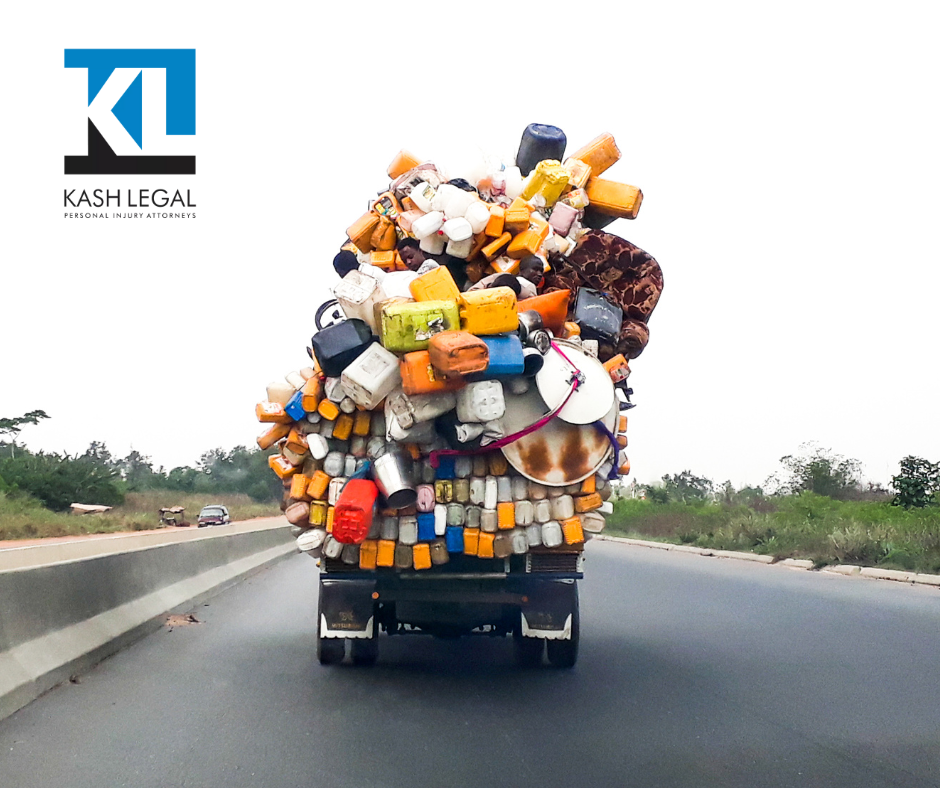
Overloaded truck accidents represent some of the most devastating crashes on American roads, often resulting in life-changing injuries and substantial financial losses for victims. When commercial trucks exceed legal weight limits, they become significantly more dangerous due to increased stopping distances, heightened rollover risk, and potential mechanical failures. In 2025, victims of these preventable accidents have multiple avenues for compensation, though navigating the complex legal landscape requires understanding current laws, liability rules, and insurance company tactics. This comprehensive guide explains what compensation victims can expect and how to maximize their recovery after an overloaded truck accident.
Understanding Overloaded Truck Accidents
An overloaded truck accident occurs when a commercial vehicle surpasses federal or state weight restrictions, creating dangerous conditions that significantly increase crash severity. These accidents often stem from economic pressures on trucking companies and drivers who face tight delivery deadlines, leading them to prioritize speed over safety by loading beyond legal limits.
The physical effects of overloading create multiple hazards on the road. Overloaded trucks require substantially longer stopping distances, with some studies showing increases of 20-40% in braking time compared to properly loaded vehicles. The excess weight also places tremendous strain on critical components like brakes, tires, and suspension systems, leading to catastrophic mechanical failures at highway speeds.
Overloaded truck accidents typically result in more severe consequences than standard truck collisions. The additional weight transfers more kinetic energy during impact, often causing catastrophic injuries including traumatic brain injuries, spinal cord damage, and multiple fractures. These crashes frequently involve rollovers, jackknifing, or complete loss of vehicle control, endangering multiple vehicles and creating multi-car pileups.
The prevalence of overloading violations remains concerning despite increased enforcement efforts. Federal data indicates that weight violations continue to be among the most common infractions cited during commercial vehicle inspections, highlighting the ongoing danger these oversized loads pose to public safety.
Who Is Liable for Overloaded Truck Accidents?
Liability in overloaded truck accidents extends far beyond just the driver and encompasses multiple parties throughout the commercial transportation chain. California’s comparative negligence system allows courts to assign fault percentages among all responsible parties, though this may reduce a victim’s compensation based on any contributory fault.
The truck driver bears responsibility when they knowingly operate an overloaded vehicle or fail to properly inspect their load before departure. However, drivers often face pressure from employers or shippers to transport excessive cargo, complicating fault determination.
Trucking companies frequently share liability through inadequate safety oversight, encouraging drivers to exceed weight limits, or failing to implement proper loading procedures. Companies may also be liable under federal regulations requiring them to ensure compliance with weight restrictions.
Cargo loaders and shipping companies can face liability when they improperly load trailers, exceed weight limits, or fail to properly secure cargo. These parties often have specialized knowledge about weight distribution and loading techniques, creating higher standards of care.
| Role | How Liability May Apply |
|---|---|
| Truck driver | Operated vehicle beyond safe/allowed limits |
| Trucking company | Failed safety oversight or encouraged overload |
| Loader/shipper | Improperly or excessively loaded cargo |
| Maintenance provider | Neglected upkeep for overloaded conditions |
Maintenance providers may also bear responsibility if they failed to properly service vehicles expected to carry heavy loads or ignored signs of wear caused by consistent overloading. This comparative negligence approach ensures that all contributing parties can be held accountable for their role in causing the accident.
Types of Compensation Available to Victims
Victims of overloaded truck accidents can pursue both economic and non-economic damages to address their comprehensive losses. Economic damages cover quantifiable financial losses, while non-economic damages compensate for intangible harms like pain and suffering.
Medical expenses represent the most immediate economic damage, covering emergency treatment, surgeries, rehabilitation, and ongoing care needs. Future medical costs are particularly significant in overloaded truck cases, as these accidents often cause permanent disabilities requiring lifelong treatment and adaptive equipment.
Lost wages and diminished earning capacity compensation addresses both immediate income loss and long-term career impacts. Catastrophic injuries may permanently prevent victims from returning to their previous occupations, requiring vocational experts to calculate lifetime earning losses.
Property damage compensation covers vehicle replacement, personal belongings, and any other damaged property. In severe crashes involving overloaded trucks, multiple vehicles may be destroyed, creating substantial property damage claims.
Pain and suffering damages acknowledge the physical discomfort and emotional trauma victims experience. These awards vary significantly based on injury severity, recovery time, and long-term impacts on quality of life.
Settlement amounts reflect the severity of injuries and strength of evidence. Minor truck accident injuries often settle between $25,000 and $150,000, while catastrophic cases involving traumatic brain injuries or permanent disabilities may result in settlements exceeding $1 million. Emotional trauma, including post-traumatic stress disorder, is also compensable and increasingly recognized in truck accident cases.
Wrongful death damages may be available when overloaded truck accidents result in fatalities, compensating surviving family members for their loss of financial support, companionship, and guidance. In rare cases involving particularly egregious conduct, punitive damages may be awarded to punish defendants and deter similar behavior.
How to Prove an Overloaded Truck Caused Your Accident
Proving causation in overloaded truck accidents requires comprehensive evidence collection and often expert testimony to establish the connection between excess weight and the crash. Success depends on quickly securing crucial evidence before it’s lost or destroyed.
Critical evidence includes truck weight tickets and cargo manifests that document the actual weight versus legal limits. Electronic logging device data can reveal driving patterns, speed, and braking behavior that may indicate overloading effects. Inspection and maintenance logs may show prior weight violations or mechanical issues related to overloading.
Police reports and accident scene documentation provide official findings about the crash circumstances. Telematics data from the truck’s onboard systems can reveal precise vehicle behavior immediately before and during the accident.
Legal teams typically employ accident reconstruction experts who analyze physical evidence, vehicle damage patterns, and electronic data to demonstrate how overloading contributed to the crash. These specialists can show how excess weight affected braking distance, stability, or mechanical performance.
The process involves several key steps: securing and preserving evidence at the crash site before it’s disturbed, requesting the trucking company’s records regarding cargo weight and loading procedures, analyzing both physical and electronic evidence for signs of overloading, and engaging specialists to reconstruct the accident scenario and establish causation.
Dashcam footage and witness testimony can provide additional support for overloading claims, particularly when they show the truck’s behavior or appearance indicating excessive weight.
Steps to Take After an Overloaded Truck Accident
Immediate actions following an overloaded truck accident can significantly impact both health outcomes and legal recovery. Victims should prioritize medical care and evidence preservation while avoiding common mistakes that could harm their claims.
Seeking prompt medical attention is crucial, even when injuries appear minor initially. Adrenaline and shock can mask serious injuries, and delayed treatment may complicate both recovery and compensation claims. Medical records from immediately after the accident provide important documentation linking injuries to the crash.
Comprehensive documentation helps establish the accident circumstances and potential overloading. Photographs should capture the accident scene, all vehicles involved, visible cargo or loading equipment, and any indicators of overloading such as bulging loads, shifted axles, or cargo spillage.
Avoiding premature communication with insurance companies protects victims’ rights. Insurance adjusters often contact victims quickly after accidents, seeking statements or settlements before the full extent of injuries is known. These early conversations can be used to minimize compensation later.
Contacting an experienced attorney as soon as possible ensures proper evidence preservation and claim development. Kash Legal’s skilled attorneys understand the complexities of trucking accidents and are equipped to protect victims’ rights from the very start.
Challenges with Insurance Companies in Overloaded Truck Claims
Commercial truck insurers have intensified their defense strategies in 2025, employing more aggressive tactics to minimize payouts in overloaded truck cases. These sophisticated approaches require equally experienced legal representation to overcome.
Multiple insurance companies often become involved due to the various parties who may share liability, creating complex negotiations with different insurers representing trucking companies, cargo shippers, and maintenance providers. This fragmentation can delay settlements and create opportunities for insurers to shift blame among themselves.
Common insurance company tactics include offering quick, low-ball settlements before victims understand their full damages, disputing the degree of overloading or its causal relationship to the accident, and delaying claims processing while requesting extensive documentation that may be difficult to obtain.
Initial settlement offers are typically inadequate, especially in cases involving complex evidence like overloading claims. Insurance companies count on victims accepting these early offers to avoid the time and expense of thorough investigation and litigation.
Victims should avoid handling insurance communications themselves, instead allowing their legal team to manage all insurer contact and negotiations. Experienced attorneys at Kash Legal recognize these tactics and can counter them effectively to maximize recovery.
Recent Regulatory Changes Impacting Overloaded Truck Cases
The Federal Motor Carrier Safety Administration’s planned updates to its Compliance Safety Accountability program in 2025 will significantly impact overloaded truck cases. These changes prioritize recent safety violations and streamline weight enforcement procedures, potentially making it easier to establish patterns of non-compliance.
New Commercial Driver’s License requirements affect fault determination and insurance coverage decisions. Enhanced training requirements and stricter violation consequences may influence how courts assign responsibility in overloaded truck accidents.
| Change/Rule | Impact on Victims’ Claims |
|---|---|
| CSA program revision (FMCSA) | Faster violation reporting, simplified case building |
| New CDL requirements | May affect fault assignment, insurance acceptance |
California’s evolving trucking regulations also influence case outcomes, particularly regarding weight enforcement and carrier responsibility. Legal counsel familiar with both federal and state regulatory changes is essential to identify all available recovery opportunities and avoid missing crucial deadlines or requirements.
These regulatory updates often create additional liability theories or evidence sources that experienced attorneys can leverage to strengthen victims’ cases and increase compensation awards.
The Importance of Experienced Legal Representation
The trucking industry’s response to increased lawsuit verdicts has led insurance companies to invest heavily in specialized claim defense teams and litigation strategies. These well-funded defense efforts require equally sophisticated legal representation to achieve fair outcomes for victims.
Statistical evidence consistently shows that legal representation results in significantly higher settlements and verdicts for truck accident victims. The complex nature of overloaded truck cases, involving federal regulations, multiple potentially liable parties, and technical evidence, makes experienced counsel particularly valuable.
Kash Legal’s expertise in California trucking law and proven track record of client-centered advocacy provides victims with the resources needed to face well-funded insurance companies and navigate complex regulatory requirements. Their comprehensive approach addresses both immediate needs and long-term recovery planning.
The firm’s No Fees Unless We Win guarantee ensures that victims can access high-quality legal representation without financial barriers, making it possible to pursue fair compensation for their injuries and losses.
Frequently Asked Questions
What makes a truck overloaded?
A truck is overloaded when it exceeds federal or state weight restrictions, creating dangerous conditions that significantly increase crash severity and strain critical components like brakes, tires, and suspension systems.
Who can be held liable for an overloaded truck accident?
Multiple parties may bear responsibility, including the truck driver, trucking company, cargo loaders, and maintenance providers, with California’s comparative negligence system allowing courts to assign fault percentages among all contributing parties.
What types of compensation are available to victims?
Victims may recover economic damages such as medical expenses, lost wages, and property damage, plus non-economic damages including pain and suffering and emotional distress, with severe cases also including compensation for permanent disability.
How much compensation can I expect from an overloaded truck accident?
Settlement amounts vary widely based on injury severity, with minor injuries often settling between $25,000 and $150,000, while catastrophic injuries involving permanent disabilities may result in settlements exceeding $1 million.
How do I prove the truck was overloaded and caused my accident?
Evidence includes truck weight tickets, cargo manifests, electronic logging device data, police reports, and expert accident reconstruction analysis that establishes the connection between excess weight and the crash.
What should I do immediately after an overloaded truck accident?
Seek immediate medical attention, document the accident scene with photographs showing evidence of overloading, avoid speaking with insurance companies before consulting an attorney, and contact experienced legal counsel promptly.
Is there a time limit for filing a claim?
Yes, statutes of limitations typically provide between one and three years to file claims depending on state law, though evidence preservation should begin immediately, making early legal consultation crucial.
Why do I need an attorney for an overloaded truck accident claim?
Commercial truck insurers employ aggressive defense tactics including quick low-ball settlement offers and disputing overloading evidence, while experienced attorneys understand complex federal regulations and can counter these strategies to maximize recovery.
Contact our overloaded truck accident lawyer for a free consultation.
Our office locations in California:
- Los Angeles (Beverly Hills): 2839 S. Robertson Blvd. Los Angeles CA 90034
- San Diego: 8775 Aero Dr Suite 138, San Diego, CA 92123 | (619) 650-5845
- Chula Vista: 750 Otay Lakes Rd, Chula Vista, CA 91910 | (619) 378-9288
- Reseda: 18355 Sherman Way, Reseda, CA 91335 | (747) 298-5611
- Murrieta: 25185 Madison Ave, Murrieta, CA 92562 | (951) 651-0774
- Temecula: 27555 Ynez Rd, Temecula, CA 92591 | (951) 484-1550
- Victorville: 14393 Park Ave, Victorville, CA 92392 | (760) 454-1654
- Hesperia: 17096 Sequoia St., Hesperia CA 92345 | (760) 919-4264
- Bakersfield: 2020 Eye St, Bakersfield, CA 93301 | (661) 460-2500
- Palm Desert: 74333 CA-111, Suite 205, Palm Desert, CA 92260 | (760) 529-8181
- Fresno: 4270 N Blackstone Ave Suite 201, Fresno, CA 93726 | (559) 551-2688
- Sacramento: 3626 Fair Oaks Blvd, Sacramento, CA 95864 | (916) 892-1263
- Roseville: 2999 Douglas Blvd Suite #180H, Roseville, CA 95661 | (916) 252-1165
- Oakland: 1300 Clay St, Oakland, CA 94612 | (510) 800-8293
- Pleasant Hill: 3478 Buskirk Ave suite 1054, Pleasant Hill, CA 94523 | (925) 940-9840
- Vacaville: 201 E Monte Vista Ave, Vacaville, CA 95688 | (707) 883-1555
- Fairfield: 1545 N Texas St, Fairfield, CA 94533 | (707) 881-9205
- San Jose: 111 North Market Street, Suite 300, San Jose, CA 95113
- Cupertino: 10080 N Wolfe Rd, Cupertino, CA 95014 | (818) 383-7478
- San Mateo: 1900 S Norfolk St #388, San Mateo, CA 94403 | (650) 629-1595