



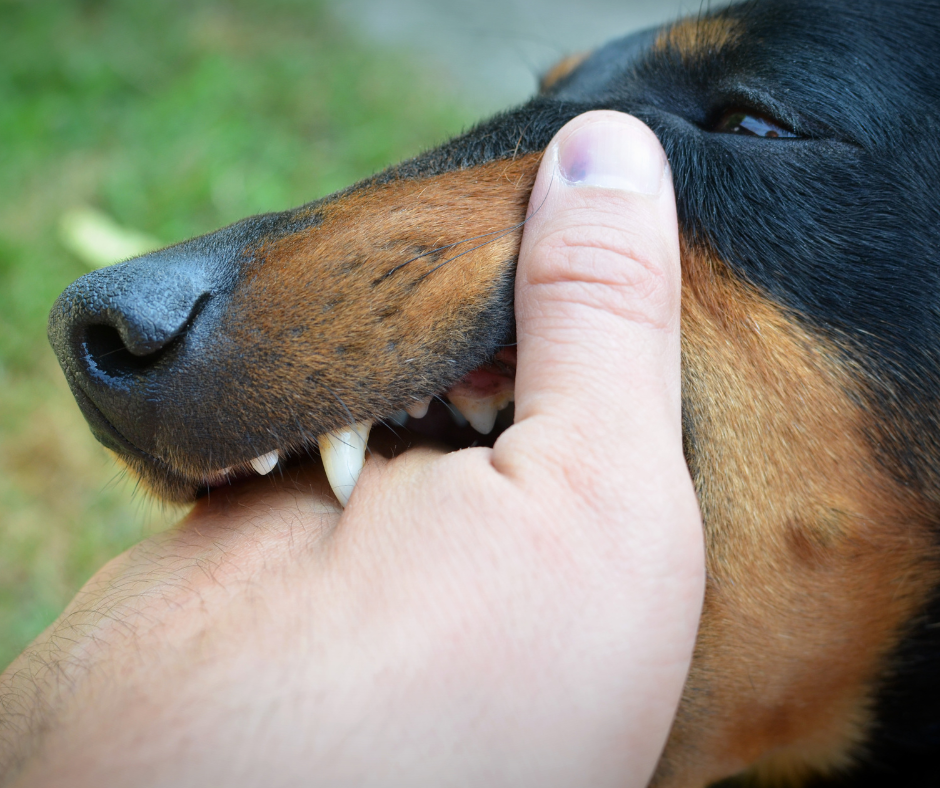
A dog bite can transform an ordinary day into a severe crisis. Beyond immediate physical injuries and long-term scarring, victims frequently face staggering medical bills, lost wages, and profound emotional distress.
When filing a personal injury claim, many victims expect the dog owner or their homeowners insurance company to take full financial responsibility. In practice, insurance carriers actively deploy complex legal defenses to minimize payouts or deny claims altogether.
Understanding how Arizona’s dog bite laws work—and how to counter common owner defenses—is critical to securing maximum financial compensation for your injuries.
Direct Overview: Arizona Dog Bite Laws at a Glance
| Legal Concept | Arizona Law / Citation | Key Takeaway for Victims |
| Liability Standard | Strict Liability (A.R.S. § 11-1025) | Owners are liable regardless of the dog’s prior behavior or lack of owner negligence. |
| Primary Defense | Provocation (A.R.S. § 11-1027) | Liability is removed if the victim reasonably provoked the animal prior to the attack. |
| Strict Liability Deadline | 1-Year Statute of Limitations (A.R.S. § 12-541) | Claims filed under the statutory strict liability framework must be initiated within 12 months. |
| Negligence Deadline | 2-Year Statute of Limitations (A.R.S. § 12-542) | Common law negligence claims (e.g., leash law violations, non-bite injuries) have a 2-year deadline. |
| Public Claims Notice | 180-Day Notice of Claim (A.R.S. § 12-821.01) | Claims involving government entities or public service dogs require a formal notice within 180 days. |
Arizona’s Dog Bite Statute: How Strict Liability Works
Unlike jurisdictions that follow the “one-bite rule”—where an owner escapes liability if their dog had no prior history of aggression—Arizona enforces a strict liability standard for dog bites.
Under Arizona Revised Statutes (A.R.S.) § 11-1025, a dog owner is legally liable for damages if their dog bites an individual who is:
-
In a public place, or
-
Lawfully on private property (including the dog owner’s premises).
Under this statute, injury victims do not need to prove that the owner acted negligently or knew the dog was dangerous. Furthermore, A.R.S. § 11-1012 defines an “owner” broadly as anyone harboring, keeping, or caring for the animal. Despite this clear legal standard, insurance adjusters rely on specific statutory exceptions to escape financial accountability.
3 Common Defenses Dog Owners Use (and How to Overcome Them)
1. “The Victim Provoked the Dog” (A.R.S. § 11-1027)
The Defense: Provocation is the primary statutory defense under Arizona dog bite law. Insurance adjusters regularly assert that the victim hit, kicked, cornered, pulled the tail of, or startled the animal, thereby causing the attack.
How We Overcome It:
-
Applying the Objective Standard: Arizona courts evaluate provocation using an objective standard: Would a reasonable person expect the specific conduct to provoke a dog into biting? Accidental contact—such as inadvertently stepping on a dog’s paw in a tight hallway or petting a friendly dog—does not constitute legal provocation.
-
Securing Objective Evidence: Personal injury lawyers counter provocation claims using surveillance footage, eye-witness testimonies, and animal control inspection records to prove the victim was acting peacefully.
-
Child Capacity Standard: Courts apply heightened scrutiny to provocation claims involving young children, evaluating their age, cognitive capacity, and natural understanding of animal behavior.
2. “The Victim Was Trespassing”
The Defense: Strict liability under A.R.S. § 11-1025 applies exclusively to individuals who are lawfully present on private property. Defense attorneys often argue that the victim entered the property without authorization.
How We Overcome It:
-
Establishing Express or Implied Consent: Individuals are lawfully present if explicitly invited (e.g., social guests, service technicians) or implicitly invited (e.g., postal workers, delivery drivers, utility meter readers, or neighbors knocking on the front door).
-
Documenting Access Points: Attorneys examine property layouts, entry gates, warning sign placement (or absence), and communication records to prove the client had lawful authority to be on the premises.
3. “The Statute of Limitations Has Expired”
The Defense: Insurance companies frequently prolong settlement negotiations, hoping the victim misses critical legal filing deadlines. Passing these deadlines permanently bars recovery.
How We Overcome It:
-
Navigating Arizona Deadlines:
-
Strict Liability Claim (A.R.S. § 11-1025): Must be filed within 1 year of the incident date (A.R.S. § 12-541).
-
Common Law Negligence Claim: Victims have up to 2 years (A.R.S. § 12-542) if they can prove the owner knew of the dog’s dangerous tendencies or breached a local leash law.
-
Government K-9 Claims: Claims involving police dogs or public entities require serving a formal Notice of Claim within 180 days.
-
-
Dual-Pleading Strategy: Legal teams file both strict liability and common law negligence claims concurrently, preserving all available legal remedies before statutory deadlines expire.
Immediate Steps to Take After a Dog Attack
To protect your health and support your personal injury claim, take these essential steps immediately following a dog attack:
-
Obtain Medical Treatment: Seek emergency care to treat puncture wounds, prevent rabies or severe bacterial infections (such as Capnocytophaga), and establish official medical documentation.
-
Report the Incident to Animal Control: File an official report with local authorities (e.g., Maricopa County Animal Care & Control or Pima County Animal Care Center) to enforce a mandatory 10-day rabies quarantine and create a public safety record.
-
Document All Physical Evidence: Capture clear photos of all injuries, bloodstained or torn clothing, the attack location, and any visible property conditions (such as missing “Beware of Dog” signs or damaged fencing).
-
Gather Contact Information: Collect names, phone numbers, and addresses of the dog owner, handler, and all eyewitnesses.
-
Decline Recorded Insurance Statements: Avoid giving recorded interviews or accepting early settlement offers from the owner’s insurance carrier prior to consulting legal counsel.
Frequently Asked Questions About Arizona Dog Bite Claims
What if a dog knocks me over but does not bite me?
A.R.S. § 11-1025 specifically governs bite injuries. If a dog causes injury by jumping on you, knocking you down, or causing a bicycle or pedestrian accident, strict liability under the bite statute does not apply. However, you can recover compensation by bringing a common law negligence claim or establishing negligence per se if the owner violated local leash laws.
How does comparative fault impact an Arizona dog bite claim?
Arizona operates under a pure comparative fault rule (A.R.S. § 12-2505). If an injured party is found partially responsible for an incident, they remain eligible for compensation, but their financial recovery is reduced in direct proportion to their assigned percentage of fault.
Are dog bite injuries covered by homeowners or renters insurance?
Yes. Most dog bite claims are paid through the animal owner’s homeowners, renters, or commercial liability insurance policy. Pursuing financial recovery typically involves negotiating with an insurance corporation rather than collecting directly from an individual’s personal savings.
How do dog bite laws apply to young children in Arizona?
Children are disproportionately affected by severe dog attacks. Under Arizona law, young children are held to a lower standard regarding “provocation” because they cannot fully interpret animal body language. Additionally, under Arizona’s tolling statutes, the legal deadline for a minor’s injury claim may be extended until after they turn 18.
What compensation is recoverable in an Arizona dog bite lawsuit?
Victims of dog attacks are entitled to seek both economic and non-economic damages, including:
-
Emergency room bills, hospital stays, and future surgeries (including plastic surgery for scar revision)
-
Physical therapy, prescription medications, and rabies post-exposure treatment
-
Lost income and loss of future earning capacity
-
Pain, suffering, disfigurement, and emotional trauma (such as post-traumatic stress disorder)
How Kash Legal Helps Dog Bite Victims
Navigating a dog bite claim requires overcoming aggressive insurance defenses and meeting strict legal deadlines. At Kash Legal, our experienced personal injury attorneys represent dog attack victims throughout Arizona, conducting thorough investigations, gathering key physical evidence, and fighting to maximize client compensation.
If you or a loved one suffered injuries from a dog bite, contact Kash Legal today for a free, confidential case evaluation.