


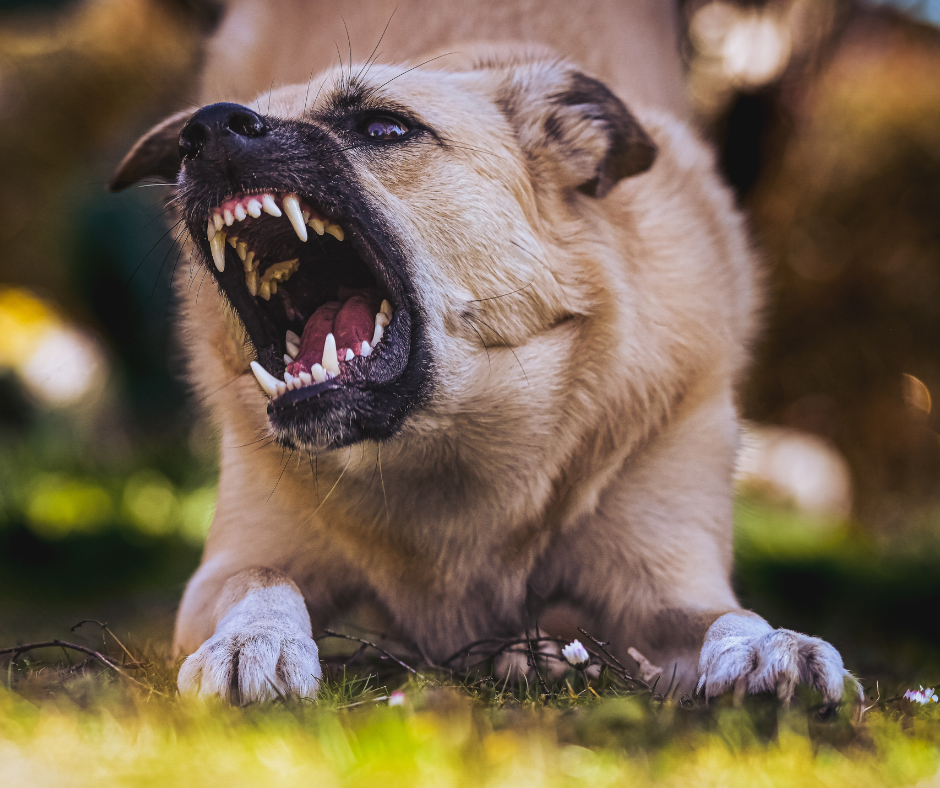
A dog attack happens in seconds, but the physical, emotional, and financial aftermath can last a lifetime. Beyond painful puncture wounds and lacerations, victims often face steep hospital bills, missed time from work, permanent scarring, and long-term psychological trauma.
If you or a loved one was injured in a dog attack in California, recovering fair compensation starts with understanding California Civil Code § 3342. California maintains one of the most victim-friendly legal frameworks in the country by enforcing a strict liability standard for dog bites.
Here is everything you need to know about California’s dog bite statute, how strict liability impacts your personal injury claim, and how Kash Legal protects your rights to secure maximum compensation.
Direct Answer Summary: How Does California Civil Code § 3342 Work?
California Civil Code § 3342 holds dog owners strictly liable for any physical harm caused when their dog bites another person in a public place or lawfully on private property. Under this statute, victims do not need to prove the owner was negligent, nor do they need to show the dog had a prior history of aggression or biting.
What Is California Civil Code § 3342?
California Civil Code § 3342 is the state statute governing dog bite liability. The exact text of the law states that the owner of any dog is liable for damages suffered by any person who is bitten by the dog while in a public place or lawfully in a private place, regardless of the former viciousness of the dog or the owner’s knowledge of such viciousness.
Strict Liability vs. The “One-Bite Rule”
Unlike states that follow a common-law “one-bite rule,” California holds dog owners accountable from the very first incident:
-
States with a “One-Bite Rule”: A victim must typically prove that the owner knew (or should have known) the dog was dangerous due to prior bites or aggressive behavior.
-
California’s Strict Liability Rule: A dog owner is responsible for bite damages from the very first bite, regardless of whether the dog ever displayed prior aggression or received formal behavioral warnings.
Key Legal Elements to Prove a California Dog Bite Claim
To succeed in a claim under Civil Code § 3342, your personal injury attorney must establish three key elements:
-
Ownership: The defendant was the legal owner of the dog at the time of the incident.
-
Lawful Presence: The victim was bitten while in a public place or lawfully on private property (including the dog owner’s home or yard).
-
Causation and Damages: The dog bite directly caused physical, financial, or emotional injuries to the victim.
Who Is Considered “Lawfully on Private Property”?
Under California law, a person is lawfully on private property if they are:
-
Performing a legal duty (such as mail carriers, parcel delivery drivers, utility workers, or emergency personnel).
-
On the property upon express or implied invitation of the owner (such as social guests, contractors, or tenants).
Does Strict Liability Apply to Non-Bite Dog Injuries?
No. California Civil Code § 3342 applies exclusively to injuries caused by an actual bite.
If a dog causes an injury without biting—for example, by knocking you over, chasing you off a sidewalk, scratching you, or causing a bicycle or motor vehicle accident—strict liability under § 3342 does not automatically apply.
However, you can still recover compensation for non-bite dog injuries by bringing a claim under general negligence principles or proving a violation of local leash laws (negligence per se). In these cases, you must demonstrate that the owner failed to exercise reasonable care in controlling their animal.
Exceptions and Defenses to California’s Dog Bite Statute
While strict liability strongly favors victims, insurance companies and defense attorneys frequently attempt to assert statutory exceptions to deny or reduce payouts. Key legal defenses include:
-
Trespassing: If the victim was illegally on private property without permission or legal cause, strict liability does not apply.
-
Provocation: If the victim intentionally struck, abused, tormented, or harassed the dog prior to the bite, the owner’s liability may be limited or eliminated.
-
Police and Military Dog Exemption: Government agencies using trained law enforcement or military dogs are generally exempt from strict liability if the dog was performing official duties or defending against active threats.
-
The “Veterinarian’s Rule” (Assumption of Risk): Professionals who assume physical control of dogs as part of their employment—such as veterinarians, veterinary technicians, groomers, or kennel staff—are generally barred from strict liability claims under the legal doctrine of primary assumption of risk.
What Compensation Can You Recover in a California Dog Bite Claim?
Dog bite injuries often require extensive treatment, including wound debridement, rabies protocols, reconstructive plastic surgery, and ongoing psychological support. Compensation in a personal injury claim typically falls into two main categories:
| Economic Damages (Measurable Financial Losses) | Non-Economic Damages (Quality of Life Impacts) |
| Emergency room treatment & hospital stays | Pain and suffering |
| Plastic & reconstructive surgery costs | Emotional distress, anxiety, & PTSD |
| Prescription medication & rabies treatment | Permanent scarring & facial disfigurement |
| Physical therapy & rehabilitation | Loss of enjoyment of life |
| Lost wages & missed time from work | Psychological trauma & therapy costs |
| Diminished future earning capacity | Loss of consortium |
Steps to Take Immediately After a Dog Bite in California
Following a clear protocol immediately after an attack protects both your physical health and your legal claim:
-
Seek Immediate Medical Treatment: Clean the wound thoroughly and visit an urgent care facility or emergency room right away. Dog bites carry a high risk of dangerous bacterial infections like Pasteurella, Staphylococcus, or tetanus.
-
Identify the Dog and Owner: Collect the dog owner’s full name, phone number, physical address, and proof of the dog’s rabies vaccination status.
-
Report the Incident to Animal Control: File an official dog bite report with your local animal control agency or police department. Official reports create critical contemporaneous documentation.
-
Document the Evidence: Take clear, high-resolution photographs of your visible wounds, bloody clothing, torn garments, the location of the attack, and the dog if safely possible.
-
Preserve Medical Records and Bills: Retain copies of all discharge papers, treatment plans, prescriptions, and out-of-pocket receipts.
-
Avoid Detailed Statements to Insurance Adjusters: Do not provide recorded statements or accept early settlement offers from the owner’s insurance company before speaking to an attorney.
-
Consult a California Dog Bite Lawyer: Contact an experienced personal injury team to handle insurance communications and calculate the full value of your damages.
Frequently Asked Questions (FAQs)
What if I was bitten by a friend, relative, or neighbor’s dog?
This is one of the most common situations in dog bite cases. Many victims hesitate to seek legal help because they do not want to cause financial hardship to someone they know. In reality, dog bite claims are almost exclusively paid out by homeowners or renters insurance policies, not out of the individual owner’s personal savings. Your attorney files the claim directly against the insurance carrier to ensure your medical bills and lost wages are covered.
Who pays for my injuries if the dog owner doesn’t own a home?
If the dog owner does not have homeowners insurance, they may still be covered under a renters insurance policy, landlord liability insurance (if the landlord allowed a known dangerous dog on the premises), commercial general liability insurance (if the attack occurred at a business), or an umbrella policy. If no insurance applies, the owner can be held personally liable through a court judgment.
How long do I have to file a dog bite lawsuit in California?
Under the California Code of Civil Procedure § 335.1, the statute of limitations for a dog bite injury claim is two years from the date of the incident. If the victim was a minor at the time of the bite, the two-year clock is generally paused (“tolled”) until their 18th birthday. However, you should consult an attorney immediately to preserve physical evidence and secure witness testimony before it fades.
What if the insurance company claims I was partially at fault?
California follows a pure comparative fault legal standard. Even if an insurer claims you contributed to the incident (for example, by approaching a dog while it was eating), you are not automatically barred from financial recovery. Any financial award you receive will simply be reduced by your percentage of fault as determined by a court or settlement negotiation.
Can a landlord be held liable for a dog bite on their rental property?
Yes, but under different rules than the dog owner. A landlord is not strictly liable under Civil Code § 3342. However, a landlord can be held liable under negligence if you can prove they had actual knowledge of the dog’s dangerous propensities and possessed the legal authority to remove the dog or force the tenant to remove it prior to the attack.
What should I do if the dog owner fled the scene or is unidentified?
If the dog owner leaves without identifying themselves, immediately file a report with local law enforcement and animal control. Provide details on the dog’s breed, size, color, collar, and the direction it ran. Animal control officers routinely conduct canvasses of the neighborhood to locate unregistered or running-at-large animals.
How Kash Legal Secures Maximum Compensation for Dog Bite Victims
Insurance companies routinely attempt to undervalue dog bite claims by minimizing the psychological impact of an attack or downplaying long-term cosmetic disfigurement. At Kash Legal, we take an aggressive, evidence-backed approach to protect your recovery.
-
No Upfront Legal Fees: We work on a contingency fee structure (No Win, No Fee). You pay zero out-of-pocket costs unless we successfully resolve your case through settlement or trial verdict.
-
Comprehensive Injury Evaluations: We consult with medical specialists, plastic surgeons, and mental health professionals to accurately calculate the full financial cost of your long-term recovery.
-
Tough Insurance Negotiation: We manage all communications with homeowners insurance adjusters to shield you from lowball settlement tactics.
Speak with an Experienced California Dog Bite Attorney Today
If you or a family member suffered injuries from a dog bite anywhere in California, do not handle the insurance claims process alone. Call Kash Legal today at (844) KASH-WINS or complete our secure online contact form to schedule your free, confidential case evaluation.