


Selecting the right tractor‑trailer accident lawyer can mean the difference between a life‑changing settlement and a drastically undervalued payout. Tractor‑trailer (18‑wheeler) crashes are governed by specialized federal regulations, involve multiple defendants, and trigger aggressive insurance defenses that standard personal injury attorneys are often unprepared to handle. The best tractor‑trailer accident attorneys in California combine FMCSA regulatory knowledge, trial readiness, robust investigative resources, and transparent fee structures to maximize your recovery. This guide breaks down eight insider tips to help injured victims and families identify—and hire—the right legal advocate in 2026.
In this guide, you’ll learn exactly how to vet a California tractor‑trailer accident lawyer in 2026, the key questions to ask during your first call, red flags to avoid, and proven steps to protect your case from day one.
Why Tractor‑Trailer Cases Demand Specialized Legal Expertise
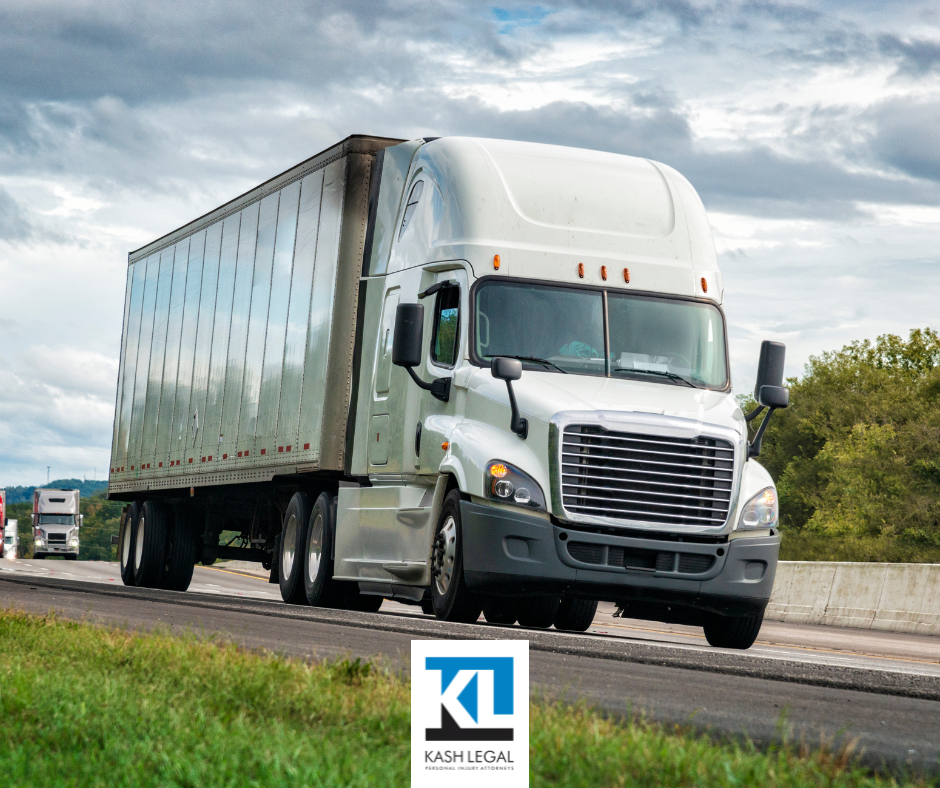
A tractor‑trailer accident involves a collision with a semi‑truck or “big rig”—cases which, due to their massive size and extensive regulatory oversight, create unique legal complexities and often result in significantly higher recoveries than ordinary auto crashes.
These are not standard car accident claims. A single tractor‑trailer crash can involve the truck driver, the trucking company, a logistics broker, a cargo loader, and an equipment manufacturer—all simultaneously. Each party carries separate insurance policies and legal teams whose primary goal is to minimize your payout.
The urgency is real: driver‑related factors were present in 34.7 % of fatal semi‑truck crashes, with speeding, distraction, and failure to yield among the leading causes. These statistics underscore both the frequency of preventable crashes and the critical importance of a thorough liability investigation.
Navigating these claims demands an attorney fluent in FMCSA federal regulations, experienced in multi‑party litigation, and ready to take insurers to trial if necessary. The tips below are designed to help you identify exactly that attorney.
Kash Legal – Personalized, Proven, and Trial‑Ready Advocacy
Kash Legal is a California‑based personal injury firm with a documented record of multi‑million‑dollar recoveries in complex tractor‑trailer and commercial truck accident cases. The firm has recovered over $500 million for injury victims—including landmark trucking results such as a $5.5 million and a $3.5 million verdict secured by attorney Ali Yousefi in separate trucking cases.
Kash Legal operates on a strict No Fees Unless We Win contingency policy, meaning clients pay nothing upfront and nothing at all unless compensation is recovered. This eliminates financial risk for victims already burdened by medical bills and lost income.
What sets Kash Legal apart from high‑volume “settlement mill” firms is direct senior attorney access. Clients work personally with experienced trial attorneys—not paralegals or junior associates—from intake through resolution. The firm treats each client like family, with transparent communication, individualized strategy, and aggressive advocacy against even the toughest insurance carriers.
For California victims of tractor‑trailer crashes, Kash Legal’s California 18‑wheeler accident lawyers combine local courtroom knowledge with the investigative resources and regulatory expertise these cases demand.
Tip 1: Prioritize Trial‑Ready Experience in Tractor‑Trailer Cases
What “Trial‑Ready” Actually Means for Your Case
Trial‑ready means an attorney or firm is credentialed, resourced, and genuinely prepared to take your case to a jury if insurers refuse a fair settlement—not just willing to settle quickly for whatever is offered. In high‑value trucking litigation, this distinction directly determines your leverage at the negotiating table.
Insurance carriers track which attorneys actually go to trial. Lawyers who consistently settle without filing suit are known quantities—carriers offer them less because they know the threat of trial is empty. A demonstrably trial‑ready attorney commands higher settlement offers before a single day in court.
What to Ask and What to Look For
When vetting any tractor‑trailer crash attorney, request documented proof of their courtroom record. Specifically ask:
- Verdicts and settlements in catastrophic injury cases: Look for results involving traumatic brain injury, spinal cord injury, and wrongful death—these signal the attorney can handle maximum‑severity claims.
- Number of cases taken to trial in the last three years: Even two or three actual trials per year is meaningful; zero is a red flag.
- Whether a senior attorney or a junior associate would try your case: The answer reveals how seriously the firm treats trial preparation.
Trial‑Ready vs. Settlement‑Only: Key Differences
| Characteristic | Trial‑Ready Attorney | Settlement‑Focused Attorney |
|---|---|---|
| Courtroom experience | Documented jury trials | Rarely or never tries cases |
| Negotiation leverage | High — insurers fear trial | Low — carriers know they’ll settle |
| Case preparation | Full discovery, expert witnesses retained | Minimal investigation before offers |
| Fee alignment | Incentivized to maximize verdict | May prefer fast, lower settlements |
| Insurer perception | Credible litigation threat | Known as a “settler” |
Kash Legal’s truck accident practice is built on trial readiness, with multi‑million‑dollar verdicts that demonstrate genuine courtroom capability—not just negotiating volume.
Key Takeaway: Choose a lawyer who can prove recent jury trials; trial‑ready attorneys secure higher settlements and are better positioned to win at trial.
Tip 2: Confirm Expertise with FMCSA Regulations and Trucking Laws
Why FMCSA Knowledge Is Non‑Negotiable
The FMCSA (Federal Motor Carrier Safety Administration) is the federal agency overseeing commercial truck safety, with regulations covering driver hours of service, vehicle maintenance schedules, cargo securement, and mandatory record‑keeping. Violations of these regulations are among the most powerful tools for establishing liability in a truck crash lawsuit—but only if your attorney knows how to find and use them.
An attorney without FMCSA fluency may fail to subpoena driver logbooks, miss maintenance violation records, or overlook hours‑of‑service breaches that prove the driver was fatigued. These are not minor oversights—they can be the difference between proving negligence and losing a case entirely.
Key Trucking Law Areas Your Attorney Must Know
| Legal Area | What It Covers | Why It Matters in Litigation |
|---|---|---|
| FMCSA Hours of Service Rules | Maximum driving hours, mandatory rest periods | Proves driver fatigue as a crash cause |
| FMCSA Maintenance Regulations | Inspection, repair, and recordkeeping requirements | Establishes mechanical failure liability |
| Electronic Logging Device (ELD) Rules | Digital driver hour tracking | Creates audit trail for hours violations |
| State Commercial Vehicle Codes | California‑specific weight, licensing, and route rules | Adds state‑level liability grounds |
| Cargo Securement Standards | Load weight distribution and tie‑down requirements | Identifies shipper or loader liability |
How to Confirm FMCSA Competency During Consultation
Ask these direct questions during your initial consultation:
- Have you subpoenaed FMCSA‑required driver logs in prior cases?
- Can you identify common hours‑of‑service violations and how they establish liability?
- Do you routinely request ECM (“black box”) data and maintenance records under FMCSA inspection rules?
An attorney who answers these questions fluently—with specific examples—has the regulatory depth your case requires. Early legal action that includes immediate preservation of FMCSA‑regulated records is a hallmark of experienced truck accident representation.
Key Takeaway: Verify that your lawyer can locate and leverage FMCSA records; this expertise is essential for proving negligence in truck crashes.
Tip 3: Verify Access to Investigators and Expert Witnesses
Why Investigative Resources Decide Truck Accident Outcomes
Tractor‑trailer cases are won or lost on evidence—and gathering that evidence requires specialized professionals that most general personal injury firms simply don’t have relationships with. Ask every attorney you interview whether they have in‑house or ongoing relationships with accident scene investigators, trucking safety experts, and medical specialists who can testify at trial.
Expert witnesses—such as accident reconstruction engineers or medical professionals—offer authoritative opinions that clarify exactly how a crash occurred and quantify its full impact on your health, earning capacity, and quality of life. Without them, your attorney is arguing opinions; with them, your attorney is presenting facts.
Types of Experts Used in Tractor‑Trailer Litigation
- Accident Reconstructionist – Recreates the crash sequence using physical evidence, vehicle data, and road conditions to establish fault
- ECM / “Black Box” Analyst – Downloads and interprets the truck’s Electronic Control Module data, including speed, braking, and engine activity at the time of impact
- Trucking Safety Expert – Evaluates whether the driver and company complied with FMCSA regulations, industry standards, and internal safety policies
- Medical Expert – Documents injury severity, future treatment needs, and the causal connection between the crash and the diagnosed conditions; crucial for proving damages and future costs
- Life‑Care Planner – Projects the lifetime cost of medical care, assistive devices, and home modifications for serious injuries
- Vocational/Economics Expert – Quantifies lost earning capacity, time off work, and the present value of future wage loss
What to Ask and What to Look For
- Do you deploy investigators to the scene quickly to document skid marks, debris fields, and sight lines?
- Which experts do you retain in most tractor‑trailer cases, and can you share anonymized reports or outcomes?
- How soon do you move to secure ECM data, dashcam footage, and nearby surveillance video?
Red Flags
- No established relationships with accident reconstructionists or trucking experts
- Reliance on police reports alone without independent investigation
- Delays in evidence preservation that risk data loss
Key Takeaway: Hire a firm that moves fast with a proven expert network; sophisticated evidence wins complex trucking cases.
Tip 4: Move Fast to Preserve Critical Evidence and Data
Speed Is Strategy in 18‑Wheeler Claims
Vital evidence can disappear within days. Electronic data can be overwritten, vehicles repaired, and camera footage erased. Your attorney should immediately send spoliation/preservation letters and, when appropriate, seek court orders to prevent destruction of evidence.
Must‑Preserve Evidence in Tractor‑Trailer Cases
- ECM/EDR (“black box”) data – Speed, braking, throttle, and fault codes
- ELD and paper logbooks – Hours‑of‑service compliance and fatigue
- Driver Qualification File (DQF) – Training, prior violations, medical cards
- Maintenance and inspection records – Proof of mechanical negligence
- Post‑crash drug and alcohol test results – FMCSA Part 382 compliance
- Dashcam/telematics and fleet GPS – Driver behavior and location history
- Bills of lading and weight tickets – Load origin, weight, and securement
- Dispatch communications – Pressure to violate safety rules or deliver faster
- Scene and third‑party video – Nearby businesses, traffic cams, 911 audio
What to Ask
- How soon after hiring do you send preservation letters and to whom?
- Do you have protocols for tow yard inspections and rapid vehicle downloads?
- Have you obtained temporary restraining orders to stop evidence destruction?
Key Takeaway: The earliest days decide your evidentiary edge—retain counsel who preserves data immediately.
Tip 5: Demand Transparent Contingency Fees and Case Costs
Clarity on Fees Protects Your Net Recovery
Top tractor‑trailer accident attorneys explain, in writing, how contingency percentages work at each stage (pre‑litigation vs. post‑filing vs. trial) and who advances costs for experts, depositions, and filings. You should know exactly how medical liens are negotiated and how costs are repaid from the recovery.
What to Ask
- What is your contingency percentage at settlement and at trial?
- Do you advance all case costs, and are they only reimbursed if we win?
- How do you handle medical liens and balance billing to maximize my net?
Red Flags
- Vague or shifting fee explanations
- Clients responsible for large upfront costs
- No plan for lien reduction or post‑settlement optimization
Key Takeaway: Transparent, client‑first fee structures align incentives and protect your bottom line.
Tip 6: Evaluate Communication, Access, and Client Service
Personal Attention Drives Better Outcomes
In complex semi‑truck cases, direct access to a senior trial lawyer matters. Look for firms that provide regular updates, strategic check‑ins, and clear next steps—by phone, email, and text.
What to Ask
- Will I have direct contact with the lead trial attorney?
- How often will I receive updates, and through what channels?
- Do you offer bilingual support and 24/7 availability for urgent issues?
Red Flags
- You only speak with intake staff or junior associates
- No defined update cadence or client portal
- High‑volume “mill” practices that rush settlements
Key Takeaway: Choose a firm that treats you like family—clear communication and senior‑level access increase case value.
Tip 7: Ensure Every Liable Party and Policy Is Identified
Multi‑Defendant Strategies Maximize Recovery
Tractor‑trailer crashes often involve multiple responsible entities: the driver, motor carrier, owner‑operator, trailer owner, maintenance contractor, a broker or shipper (for negligent hiring/selection or improper loading), and sometimes a component manufacturer. Your lawyer should track down all applicable primary, umbrella, and excess policies—including MCS‑90 endorsements where relevant—to avoid leaving money on the table.
What to Ask
- How do you investigate broker/shipper liability and improper loading?
- Do you analyze ownership/lease agreements to determine vicarious liability?
- What is your process for locating all insurance, including excess/umbrella coverage?
Key Takeaway: More defendants and policies often mean higher limits—demand a comprehensive liability map.
Tip 8: Leverage Local Courtroom Insight with Statewide Reach
Venue and Local Knowledge Influence Results
The best 18‑wheeler accident lawyers pair statewide resources with deep familiarity in local courts. They understand venue strategy, typical scheduling orders, jury tendencies, and judge‑specific preferences—factors that quietly but materially shape outcomes.
What to Ask
- In which California counties have you recently tried or resolved truck cases?
- How do you decide the best venue when multiple options exist?
- Can your team litigate statewide without delay, including remote depositions?
Key Takeaway: Courtroom credibility plus local insight gives you a strategic edge from filing through verdict.
Frequently Asked Questions (FAQs)
How soon should I contact a tractor‑trailer accident lawyer after a crash?
Immediately. Critical evidence can be lost within days. Early legal action preserves ECM/ELD data, dashcam footage, and witness statements.
What is the statute of limitations for a California semi‑truck accident claim?
Generally two years from the date of injury for personal injury claims. Claims involving government entities often require a government claim within six months. Deadlines can vary—speak with an attorney promptly.
Should I talk to the trucking company’s insurer or give a recorded statement?
No. Refer all communications to your attorney. Insurers may use your words to minimize liability and damages.
What if I’m partially at fault for the crash?
California follows comparative negligence. You may still recover damages, reduced by your percentage of fault. An experienced lawyer can contest improper fault allocations.
What damages can I recover in a tractor‑trailer accident case?
Medical bills, future care, lost wages, diminished earning capacity, property damage, and pain and suffering. In wrongful death cases: funeral costs and loss of financial support/companionship.
How long does a truck accident case take?
It varies. Many cases resolve in 6–18 months; complex, high‑value claims or trials can take longer. Early investigation often accelerates fair settlements.
What evidence should I bring to my free consultation?
Police report, crash photos/videos, medical records and bills, insurance details, witness contacts, employment/pay information, and any communications from insurers.
How do contingency fees work?
You pay no upfront fees. The firm advances case costs and is paid a percentage of the recovery. Fees and costs are typically deducted from the settlement or verdict—clarified in your retainer.
Can I still file if the truck driver or company is based out of state?
Yes. If the crash occurred in California or the defendants do business here, California courts often have jurisdiction.
The trucking company offered a quick settlement. Should I take it?
Be cautious. Early offers often undervalue future medical needs and lost earning capacity. Have any offer reviewed by a truck accident attorney before signing.
Do I need a lawyer, or can I handle a tractor‑trailer claim myself?
Truck cases are complex and heavily defended. A specialized lawyer levels the playing field, preserves critical evidence, and typically increases net outcomes.
How are tractor‑trailer cases different from regular car accidents?
They involve FMCSA rules, multiple corporate defendants, higher insurance limits, and specialized evidence (ECM/ELD data), which require experienced trucking counsel.
Can I recover punitive damages in a California truck accident case?
Punitive damages are rare and require clear and convincing evidence of malice, oppression, or fraud (e.g., intoxication or willful safety violations). Your attorney can assess viability.
What is an MCS‑90 endorsement, and does it affect my claim?
MCS‑90 is a federal endorsement ensuring minimum financial responsibility for interstate carriers. It can help ensure payment in certain scenarios but is not extra insurance.
What if I don’t have health insurance for treatment after the crash?
Your attorney may help coordinate care through medical liens or letters of protection so you can receive treatment while the case is pending.
Should I post about my crash on social media?
No. Avoid posts, photos, or comments about the collision or your injuries. Insurers may use them to dispute liability or damages.
Who can file a wrongful death claim after a fatal truck crash in California?
Eligible heirs typically include a surviving spouse or domestic partner, children, and certain dependents. Speak with a lawyer to confirm standing under California law.
What if I was a pedestrian, cyclist, or motorcyclist hit by a semi‑truck?
You can pursue a claim. The same trucking laws apply, and specialized investigation is crucial to prove liability and damages.
How is case value determined in a tractor‑trailer accident?
Liability strength, injury severity, medical needs, lost earnings, pain and suffering, insurance limits, and venue all impact value. Expert analysis refines the range.
Will my case settle or go to trial?
Most cases settle after thorough investigation and litigation leverage. Trial becomes necessary when insurers refuse fair value. Hiring a trial‑ready firm increases fair offers.
How quickly should evidence be preserved?
Immediately. Preservation letters should go out as soon as counsel is retained to protect ECM/ELD data, vehicle inspections, and video footage.
Do I have to report the crash to my own auto insurer?
Usually yes, promptly per your policy. Keep it factual and brief, and avoid recorded statements to opposing insurers without counsel.
Can a broker or shipper be liable for a trucking crash?
Potentially, for negligent selection/hiring or improper loading/securement. Your attorney should evaluate these parties early.
Have more questions? A brief call with a trial‑ready attorney can clarify your options and protect your rights from day one.
Get a Free, No‑Obligation Case Review Today
If you or a loved one were injured in a tractor‑trailer or 18‑wheeler crash, the right lawyer can change everything. Kash Legal combines FMCSA fluency, rapid evidence preservation, elite expert networks, and courtroom‑proven advocacy to maximize your recovery—on a No Fees Unless We Win basis.
- Free, confidential consultation
- Same‑day evidence preservation and investigation
- Direct access to senior trial attorneys
- Bilingual support available
- Virtual or in‑person consultations statewide
- Strategic lien reduction to protect your net recovery
Take the first step now. Contact Kash Legal’s California 18‑wheeler accident lawyers for a free case evaluation. Acting quickly protects your rights and strengthens your case.
Disclaimer: This article is for informational purposes only and does not constitute legal advice. Please consult an attorney for advice regarding your specific case.
About Us – Kash Legal
Kash Legal is a trusted California personal injury law firm known for delivering strong, client-focused advocacy to individuals and families harmed in accidents. With a reputation built on integrity, responsiveness, and consistent results, the firm handles a wide range of complex injury cases—from rideshare and motor-vehicle collisions to catastrophic injuries and wrongful death claims. As a BBB Accredited business, Kash Legal upholds high standards of professionalism and ethical service, giving clients confidence that their cases are handled with transparency and care. The firm’s commitment to personalized guidance and relentless negotiation has made it a respected resource for injury victims seeking justice and fair compensation.
Our office locations in California:
- Los Angeles (Beverly Hills): 2839 S. Robertson Blvd. Los Angeles CA 90034
- San Diego: 8775 Aero Dr Suite 138, San Diego, CA 92123 | (619) 650-5845
- Chula Vista: 750 Otay Lakes Rd, Chula Vista, CA 91910 | (619) 378-9288
- Reseda: 18355 Sherman Way, Reseda, CA 91335 | (747) 298-5611
- Murrieta: 25185 Madison Ave, Murrieta, CA 92562 | (951) 651-0774
- Temecula: 27555 Ynez Rd, Temecula, CA 92591 | (951) 484-1550
- Victorville: 14393 Park Ave, Victorville, CA 92392 | (760) 454-1654
- Hesperia: 17096 Sequoia St., Hesperia CA 92345 | (760) 919-4264
- Bakersfield: 2020 Eye St, Bakersfield, CA 93301 | (661) 460-2500
- Palm Desert: 74333 CA-111, Suite 205, Palm Desert, CA 92260 | (760) 529-8181
- Fresno: 4270 N Blackstone Ave Suite 201, Fresno, CA 93726 | (559) 551-2688
- Sacramento: 3626 Fair Oaks Blvd, Sacramento, CA 95864 | (916) 892-1263
- Roseville: 2999 Douglas Blvd Suite #180H, Roseville, CA 95661 | (916) 252-1165
- Oakland: 1300 Clay St, Oakland, CA 94612 | (510) 800-8293
- Pleasant Hill: 3478 Buskirk Ave suite 1054, Pleasant Hill, CA 94523 | (925) 940-9840
- Vacaville: 201 E Monte Vista Ave, Vacaville, CA 95688 | (707) 883-1555
- Fairfield: 1545 N Texas St, Fairfield, CA 94533 | (707) 881-9205
- San Jose: 111 North Market Street, Suite 300, San Jose, CA 95113
- Cupertino: 10080 N Wolfe Rd, Cupertino, CA 95014 | (818) 383-7478
- San Mateo: 1900 S Norfolk St #388, San Mateo, CA 94403 | (650) 629-1595